Painful deformities, such as hammertoes, can be treated. Stop living with foot pain, and have beautiful feet again!
Painful deformities, such as hammertoes, can be treated. Stop living with foot pain, and have beautiful feet again!

An ingrown toenail develops when the edge of the nail grows into the surrounding skin, often leading to pain, redness, and infection. When the problem becomes persistent or severe, a podiatrist can perform a minor procedure to remove part or all of the ingrown toenail. The procedure is typically done under local anesthesia to keep the area numb. Depending on the severity, a podiatrist may perform either a partial or a total nail removal. A partial removal, called a wedge excision, is designed to eliminate the part causing irritation, where a total removal affects the entire nail. In some cases, a podiatrist may apply a chemical or use heat to prevent the problematic part of the nail from regrowing. After surgery, proper wound care and footwear that allows adequate toe space are important to help healing and prevent recurrence. If you have a problematic ingrown toenail, it is suggested that you make an appointment with a podiatrist for a diagnosis and treatment.
Ingrown toenails may initially present themselves as a minor discomfort, but they may progress into an infection in the skin without proper treatment. For more information about ingrown toenails, contact one of our podiatrists of Central Ohio Comprehensive Foot Care. Our doctors can provide the care you need to keep you pain-free and on your feet.
Ingrown Toenails
Ingrown toenails are caused when the corner or side of a toenail grows into the soft flesh surrounding it. They often result in redness, swelling, pain, and in some cases, infection. This condition typically affects the big toe and may recur if it is not treated properly.
Causes
You are more likely to develop an ingrown toenail if you are obese, have diabetes, arthritis, or have any fungal infection in your nails. Additionally, people who have foot or toe deformities are at a higher risk of developing an ingrown toenail.
Symptoms
Some symptoms of ingrown toenails are redness, swelling, and pain. In rare cases, there may be a yellowish drainage coming from the nail.
Treatment
Ignoring an ingrown toenail can have serious complications. Infections of the nail border can progress to a deeper soft-tissue infection, which can then turn into a bone infection. You should always speak with your podiatrist if you suspect you have an ingrown toenail, especially if you have diabetes or poor circulation.
If you have any questions, please feel free to contact one of our offices located in Delaware and Westerville, OH . We offer the newest diagnostic and treatment technologies for all your foot care needs.

Foot exercises support strength, flexibility, and coordination in the feet, toes, and ankles after pain or injury. Controlled movement encourages circulation, helps tissues recover, and improves joint motion needed for walking and balance. Gentle strengthening of the toes and arch muscles can improve stability at the ankle and reduce stress on joints during daily activity. Stretching motions can improve range of motion and support smoother foot mechanics over the long-term. Progress should be gradual, with attention to discomfort so movement stays within a tolerable range as the foot adapts. Consistent practice can make movements easier over time and help restore confidence with standing and walking. A podiatrist can evaluate foot mechanics and safely guide appropriate exercise selection. If you are experiencing foot pain, it is suggested that you make an appointment with a podiatrist for a diagnosis and options for help.
Exercising your feet regularly with the proper foot wear is a great way to prevent injuries and build strength. If you have any concerns about your feet, contact one of our podiatrists from Central Ohio Comprehensive Foot Care. Our doctors can provide the care you need to keep you pain-free and on your feet.
Exercise for Your Feet
Exercise for your feet can help you gain strength, mobility and flexibility in your feet. They say that strengthening your feet can be just as rewarding as strengthening another part of the body. Your feet are very important, and we often forget about them in our daily tasks. But it is because of our feet that are we able to get going and do what we need to. For those of us fortunate enough to not have any foot problems, it is an important gesture to take care of them to ensure good health in the long run.
Some foot health exercises can include ankle pumps, tip-toeing, toe rises, lifting off the floor doing reps and sets, and flexing the toes. It is best to speak with Our doctors to determine an appropriate regimen for your needs. Everyone’s needs and bodies are different, and the activities required to maintain strength in the feet vary from individual to individual.
Once you get into a routine of doing regular exercise, you may notice a difference in your feet and how strong they may become.
If you have any questions, please feel free to contact one of our offices located in Delaware and Westerville, OH . We offer the newest diagnostic and treatment technologies for all your foot care needs.

Swelling of the feet, also called edema, occurs when excess fluid collects in the tissues of the lower extremities. Symptoms include puffiness, tight or shiny skin, aching, and heaviness, often worsening by the end of the day. The feet and ankles may look enlarged, feel warm, and leave an indentation when pressed. It may feel uncomfortable, stiff, or painful in shoes and during walking. Causes range from prolonged standing, injury, and obesity to circulation issues or kidney conditions. A podiatrist can help from the start by evaluating medical history, examining the feet and ankles, assessing circulation, and identifying potential underlying causes. Treatment options include footwear guidance, elevation strategies, and targeted treatment of contributing foot conditions. Early podiatric care helps reduce discomfort, prevent skin breakdown, and improve mobility. If you are dealing with ongoing swelling of the feet, it is suggested that you make an appointment with a podiatrist.
Swollen feet can be a sign of an underlying condition. If you have any concerns, contact one of our podiatrists of Central Ohio Comprehensive Foot Care. Our doctors can provide the care you need to keep you pain-free and on your feet.
Swollen feet are a common ailment among pregnant women and people who stand or sit for extended periods. Aging may increase the possibility of swollen feet and patients who are obese often notice when their feet are swelling too. There may be medical reasons why swollen feet occur:
Swollen feet can also be caused by bone and tendon conditions, including fractures, arthritis, and tendinitis. Additionally, there may be skin and toenail conditions and an infection may cause the feet to swell. Patients who take medicine to treat high blood pressure may be prone to getting swollen feet.
Many patients elevate their feet to help relieve the swelling and this is generally a temporary remedy. When a podiatrist is consulted the reason behind the swelling can be uncovered and subsequently treated.
If you have any questions please contact one of our offices located in Delaware and Westerville, OH . We offer the newest diagnostic and treatment technologies for all your foot and ankle needs.
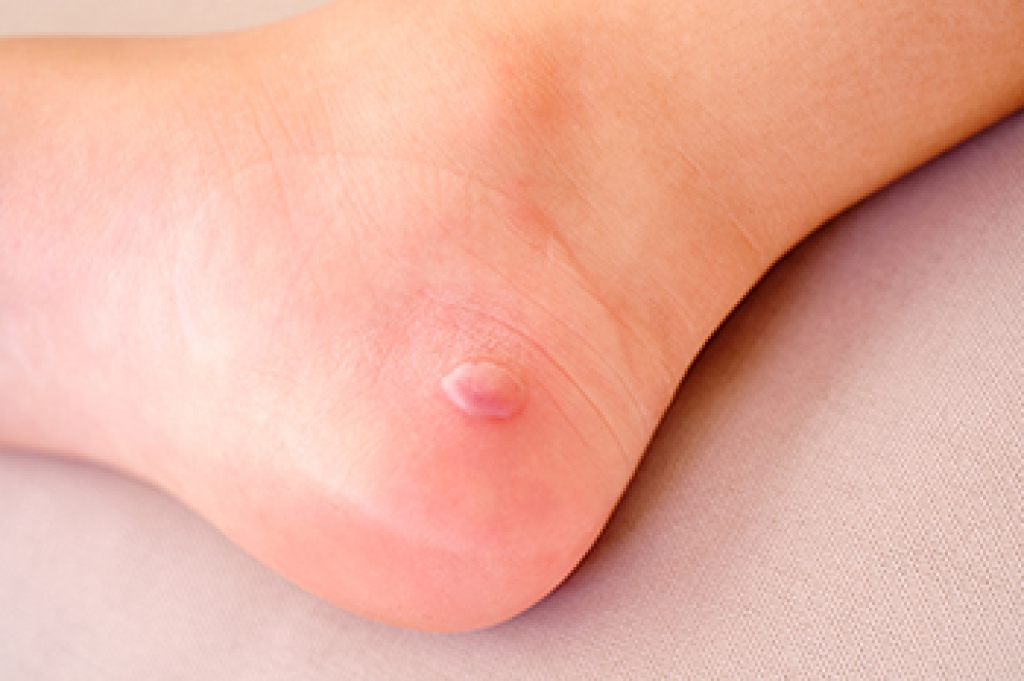
Friction blisters on the feet are small pockets of fluid that form when the skin experiences friction, heat, or pressure. They may look like raised, clear or whitish bumps on the surface of the skin and can sometimes develop a red or inflamed border. Blisters often feel tender, sore, or tight, and walking or standing may become uncomfortable. Common causes include wearing poorly fitting shoes, repetitive motion, excessive sweating, or prolonged activities like running or hiking. In some cases, blisters can result from burns, allergic reactions, or underlying medical conditions. A podiatrist can begin by examining the blister, determining the cause, and ensuring there are no signs of infection. Treatment may involve safe drainage techniques, footwear adjustments, and strategies to reduce friction and pressure in the future. Because early care can prevent complications and promote healing, it is suggested that you schedule an appointment with a podiatrist for effective treatment and prevention tips.
Blisters are prone to making everyday activities extremely uncomfortable. If your feet are hurting, contact one of our podiatrists of Central Ohio Comprehensive Foot Care. Our doctors can provide the care you need to keep you pain-free and on your feet.
Foot Blisters
Foot blisters develop as a result of constantly wearing tight or ill-fitting footwear. This happens due to the constant rubbing from the shoe, which can often lead to pain.
What Are Foot Blisters?
A foot blister is a small fluid-filled pocket that forms on the upper-most layer of the skin. Blisters are filled with clear fluid and can lead to blood drainage or pus if the area becomes infected.
How Do Blisters Form?
Blisters on the feet are often the result of constant friction of skin and material, usually by shoe rubbing. Walking in sandals, boots, or shoes that don’t fit properly for long periods of time can result in a blister. Having consistent foot moisture and humidity can easily lead to blister formation.
Prevention & Treatment
It is important to properly care for the affected area in order to prevent infection and ease the pain. Do not lance the blister and use a Band-Aid to provide pain relief. Also, be sure to keep your feet dry and wear proper fitting shoes. If you see blood or pus in a blister, seek assistance from a podiatrist.
If you have any questions, please feel free to contact one of our offices located in Delaware and Westerville, OH . We offer the newest diagnostic and treatment technologies for all your foot care needs.