review us on google
x ico
like us on facebook
review us on google
x ico
like us on facebook

Blog

All You Need to Know About Poor Circulation

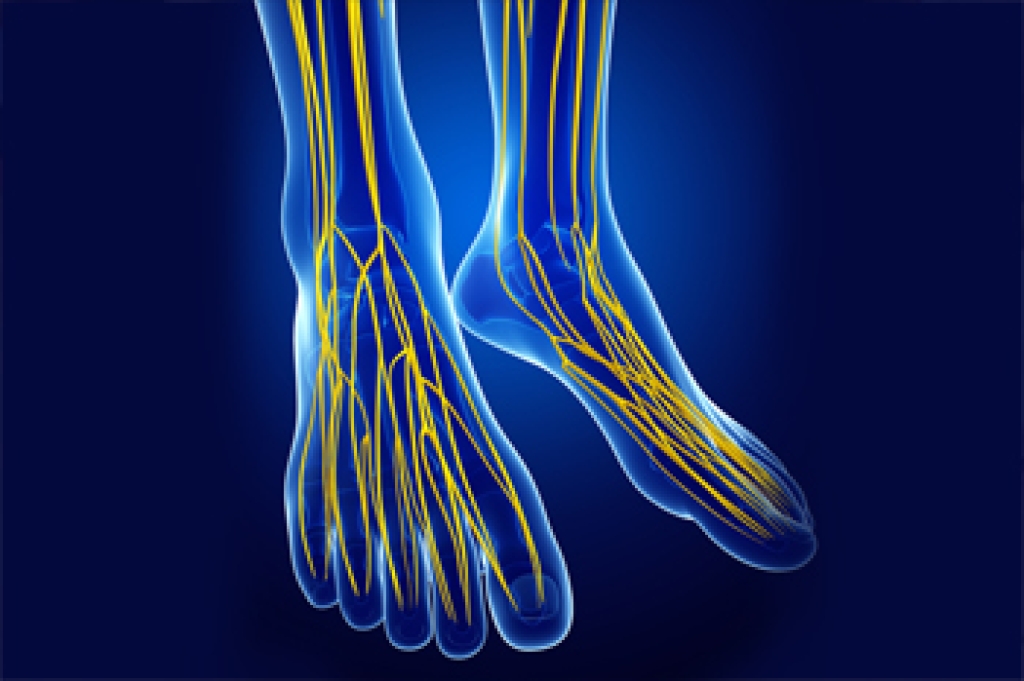
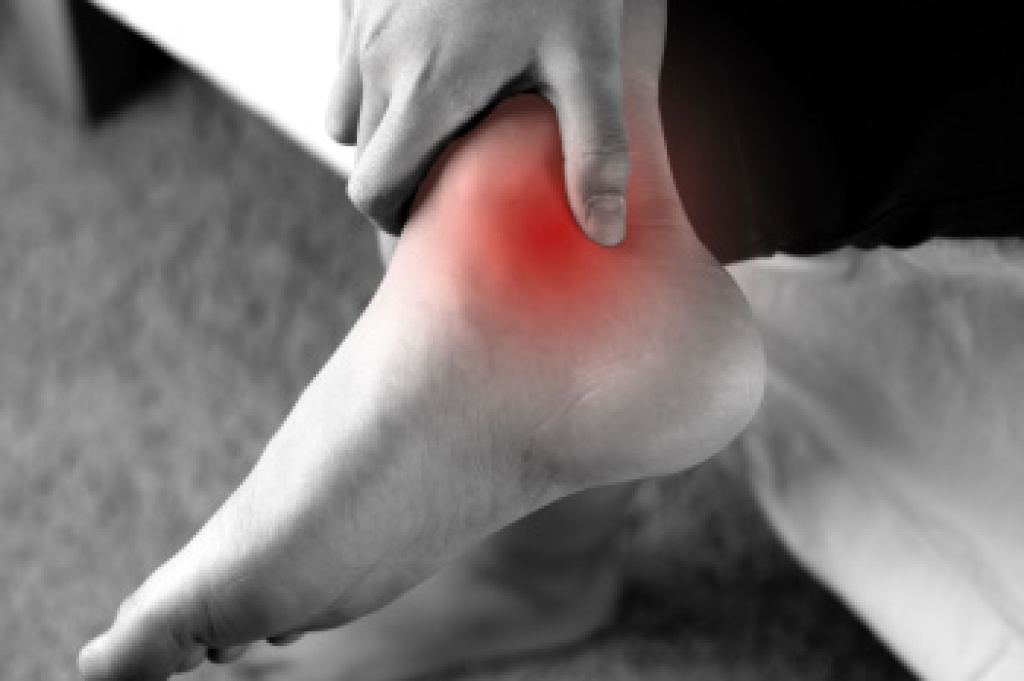
Common symptoms that are linked to poor circulation can include cold feet, tingling or burning sensations, and swollen feet. There are several reasons why this condition may develop. These can include plaque buildup in the arteries, diabetes, or if there is an existing blood clot. Additionally, patients who smoke, stand for extended periods of time throughout the day, or who are obese may be at risk of developing poor circulation. A diagnosis may consist of testing the blood for elevated glucose levels which may indicate diabetes, as well as performing an ultrasound that can examine your blood vessels. Patients may find moderate relief when compression stockings are worn, which may help to provide a comfortable level of support. If you are suffering from poor circulation, it is advised that you speak to a podiatrist who can offer you proper treatment techniques.

While poor circulation itself isn’t a condition; it is a symptom of another underlying health condition you may have. If you have any concerns with poor circulation in your feet contact one of our podiatrists of Central Ohio Comprehensive Foot Care. Our doctors will treat your foot and ankle needs.

Poor Circulation in the Feet

Peripheral artery disease (PAD) can potentially lead to poor circulation in the lower extremities. PAD is a condition that causes the blood vessels and arteries to narrow. In a linked condition called atherosclerosis, the arteries stiffen up due to a buildup of plaque in the arteries and blood vessels. These two conditions can cause a decrease in the amount of blood that flows to your extremities, therefore resulting in pain.

Symptoms

Some of the most common symptoms of poor circulation are:

  • Numbness
  • Tingling
  • Throbbing or stinging pain in limbs
  • Pain
  • Muscle Cramps

Treatment for poor circulation often depends on the underlying condition that causes it. Methods for treatment may include insulin for diabetes, special exercise programs, surgery for varicose veins, or compression socks for swollen legs.

As always, see a podiatrist as he or she will assist in finding a regimen that suits you. A podiatrist can also prescribe you any needed medication. 

If you have any questions, please feel free to contact one of our offices located in Delaware and Westerville, OH . We offer the newest diagnostic and treatment technologies for all your foot care needs.

Read more about Causes Symptoms and Treatment for Poor Circulation in the Feet

Proper Care for Small or Large Foot Wounds

A cut on the skin is known as a laceration. If a laceration develops on the foot, it is beneficial to provide immediate care to help prevent painful foot conditions from arising. If the cut is small it may be treated with surgical tape, however larger cuts may require stitches. An x-ray may need to be performed if a piece of glass or small rock has entered the skin. Maintaining proper foot care can help with healing any existing wounds. This can be done by keeping the affected area clean and dry, and it may be helpful to use an antibiotic cream. If you would like additional information about how to care for foot wounds, please consult with a podiatrist.

Wound care is an important part in dealing with diabetes. If you have diabetes and a foot wound or would like more information about wound care for diabetics, consult with one of our podiatrists from Central Ohio Comprehensive Foot Care. Our doctors will assess your condition and provide you with quality foot and ankle treatment.

What Is Wound Care?

Wound care is the practice of taking proper care of a wound. This can range from the smallest to the largest of wounds. While everyone can benefit from proper wound care, it is much more important for diabetics. Diabetics often suffer from poor blood circulation which causes wounds to heal much slower than they would in a non-diabetic. 

What Is the Importance of Wound Care?

While it may not seem apparent with small ulcers on the foot, for diabetics, any size ulcer can become infected. Diabetics often also suffer from neuropathy, or nerve loss. This means they might not even feel when they have an ulcer on their foot. If the wound becomes severely infected, amputation may be necessary. Therefore, it is of the upmost importance to properly care for any and all foot wounds.

How to Care for Wounds

The best way to care for foot wounds is to prevent them. For diabetics, this means daily inspections of the feet for any signs of abnormalities or ulcers. It is also recommended to see a podiatrist several times a year for a foot inspection. If you do have an ulcer, run the wound under water to clear dirt from the wound; then apply antibiotic ointment to the wound and cover with a bandage. Bandages should be changed daily and keeping pressure off the wound is smart. It is advised to see a podiatrist, who can keep an eye on it.

If you have any questions please contact one of our offices located in Delaware and Westerville, OH . We offer the newest diagnostic and treatment technologies for all your foot and ankle needs.

Read more about Wound Care

Tarsal Tunnel Syndrome and Relief From a Podiatrist

Tarsal tunnel syndrome is caused by compression of the posterior tibial nerve as it travels through the tarsal tunnel in the ankle. This pressure can result in pain, tingling, burning, or numbness in the foot and ankle. Causes include injury, flat feet, swelling, or conditions like arthritis. Risk factors may involve repetitive stress, obesity, or chronic inflammation. Symptoms can worsen with activity and may radiate into the toes. A podiatrist can diagnose the condition through examination and imaging, then create a personalized treatment plan that may include orthotics, or minimally invasive procedures. If you have persistent foot or ankle discomfort, it is suggested that you schedule a visit with a podiatrist who can provide an accurate diagnosis and treatment.

Tarsal tunnel syndrome can be very uncomfortable to live with. If you are experiencing tarsal tunnel syndrome, contact one of our podiatrists of Central Ohio Comprehensive Foot Care. Our doctors can provide the care you need to keep you pain-free and on your feet.

Tarsal Tunnel Syndrome

Tarsal tunnel syndrome, which can also be called tibial nerve dysfunction, is an uncommon condition of misfiring peripheral nerves in the foot. The tibial nerve is the peripheral nerve in the leg responsible for sensation and movement of the foot and calf muscles. In tarsal tunnel syndrome, the tibial nerve is damaged, causing problems with movement and feeling in the foot of the affected leg.

Common Cause of Tarsal Tunnel Syndrome

  • Involves pressure or an injury, direct pressure on the tibial nerve for an extended period of time, sometimes caused by other body structures close by or near the knee.
  • Diseases that damage nerves, including diabetes, may cause tarsal tunnel syndrome.
  • At times, tarsal tunnel syndrome can appear without an obvious cause in some cases.

The Effects of Tarsal Tunnel Syndrome

  • Different sensations, an afflicted person may experience pain, tingling, burning or other unusual sensations in the foot of the affected leg.
  • The foot muscles, toes and ankle become weaker, and curling your toes or flexing your foot can become difficult.
  • If condition worsens, infections and ulcers may develop on the foot that is experiencing the syndrome.

A physical exam of the leg can help identify the presence of tarsal tunnel syndrome. Medical tests, such as a nerve biopsy, are also used to diagnose the condition. Patients may receive physical therapy and prescriptive medication. In extreme cases, some may require surgery.

If you have any questions please contact one of our offices located in Delaware and Westerville, OH . We offer the newest diagnostic and treatment technologies for all your foot and ankle needs.

Read more about Treating Tarsal Tunnel Syndrome

When the Ball of Your Foot Hurts

Pain in the ball of the foot occurs when the area between the toes and the long bones of the feet is placed under too much pressure. This part of the foot absorbs the impact of walking and running, so when the bones and joints located here do not line up properly, discomfort can follow. Conditions like arthritis can cause swelling and stiffness in these joints, while toe deformities such as hammer toes or bunions may increase strain. As people age, the natural fat pad that cushions the ball of the foot often becomes thinner, leaving less protection against pressure. Repetitive activities such as jogging, playing sports, or even long hours of standing can make the pain worse. Wearing shoes that lack adequate support, like high heels or flip-flops, may also add stress to this area. A podiatrist can examine the foot, prescribe custom orthotics to reduce pressure, and provide surgery, if needed. If you have pain in the ball of your foot, it is suggested that you schedule an appointment with a podiatrist for an exam and appropriate treatment.

Foot Pain

Foot pain can be extremely painful and debilitating. If you have a foot pain, consult with one of our podiatrists from Central Ohio Comprehensive Foot Care. Our doctors will assess your condition and provide you with quality foot and ankle treatment.

Causes

Foot pain is a very broad condition that could be caused by one or more ailments. The most common include:

  • Bunions
  • Hammertoes
  • Plantar Fasciitis
  • Bone Spurs
  • Corns
  • Tarsal Tunnel Syndrome
  • Ingrown Toenails
  • Arthritis (such as Gout, Rheumatoid, and Osteoarthritis)
  • Flat Feet
  • Injury (from stress fractures, broken toe, foot, ankle, Achilles tendon ruptures, and sprains)
  • And more

Diagnosis

To figure out the cause of foot pain, podiatrists utilize several different methods. This can range from simple visual inspections and sensation tests to X-rays and MRI scans. Prior medical history, family medical history, and any recent physical traumatic events will all be taken into consideration for a proper diagnosis.

Treatment

Treatment depends upon the cause of the foot pain. Whether it is resting, staying off the foot, or having surgery; podiatrists have a number of treatment options available for foot pain.

If you have any questions, please feel free to contact one of our offices located in Delaware and Westerville, OH . We offer the newest diagnostic and treatment technologies for all your foot care needs.

Read more about Foot Pain

Painful Ingrown Toenails

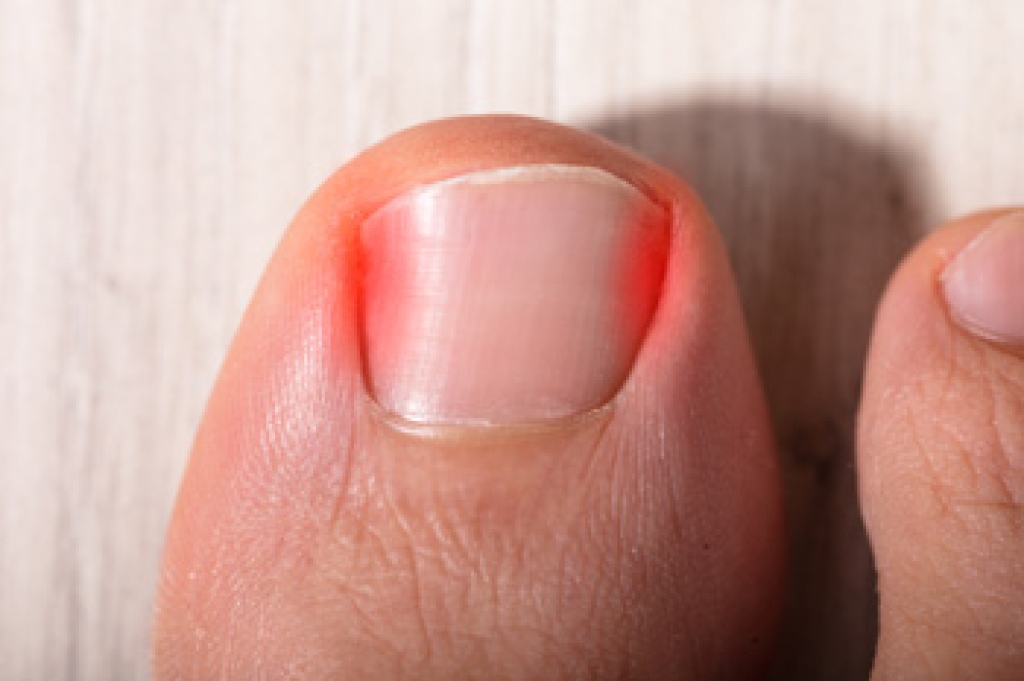
Ingrown toenails are a common and often painful condition where the edge of the toenail grows into the surrounding skin. This can lead to redness, swelling, tenderness, and sometimes infection. Patients may notice warmth, drainage, or even pus around the affected area. Walking or wearing shoes may become uncomfortable or difficult. Common causes include improper nail trimming, tight-fitting shoes, or a naturally curved nail shape. While some cases can be managed at home, persistent or infected ingrown toenails require professional care. A podiatrist can diagnose the condition through a physical exam and determine the best course of treatment. Options may include lifting the nail, partial nail removal, or in recurring cases, removing part of the nail root to prevent regrowth. Proper care and hygiene guidance will also be provided to prevent future issues. If you are experiencing pain, swelling, or signs of infection around a toenail, it is suggested that you make an appointment with a podiatrist for effective relief and care.

Ingrown toenails may initially present themselves as a minor discomfort, but they may progress into an infection in the skin without proper treatment. For more information about ingrown toenails, contact one of our podiatrists of Central Ohio Comprehensive Foot Care. Our doctors can provide the care you need to keep you pain-free and on your feet.

Ingrown Toenails

Ingrown toenails are caused when the corner or side of a toenail grows into the soft flesh surrounding it. They often result in redness, swelling, pain, and in some cases, infection. This condition typically affects the big toe and may recur if it is not treated properly.

Causes

  • Improper toenail trimming
  • Genetics
  • Improper shoe fitting
  • Injury from pedicures or nail picking
  • Abnormal gait
  • Poor hygiene

You are more likely to develop an ingrown toenail if you are obese, have diabetes, arthritis, or have any fungal infection in your nails. Additionally, people who have foot or toe deformities are at a higher risk of developing an ingrown toenail.

Symptoms

Some symptoms of ingrown toenails are redness, swelling, and pain. In rare cases, there may be a yellowish drainage coming from the nail.

Treatment

Ignoring an ingrown toenail can have serious complications. Infections of the nail border can progress to a deeper soft-tissue infection, which can then turn into a bone infection. You should always speak with your podiatrist if you suspect you have an ingrown toenail, especially if you have diabetes or poor circulation.

If you have any questions, please feel free to contact one of our offices located in Delaware and Westerville, OH . We offer the newest diagnostic and treatment technologies for all your foot care needs.
Read more about Ingrown Toenail Care
Connect with us

our recent articles