Your feet are covered most of the day. If you're diabetic, periodic screening is important for good health. Numbness is often a sign of diabetic foot and can mask a sore or wound.
Your feet are covered most of the day. If you're diabetic, periodic screening is important for good health. Numbness is often a sign of diabetic foot and can mask a sore or wound.

Pickleball is a great way for older adults to stay active, but it can place repeated stress on the feet and ankles, especially with quick pivots, side-to-side movements, and sudden stops. These motions can increase the risk of sprains, which occur when ligaments are overstretched during an awkward step or loss of balance. Strains may also develop in muscles and tendons due to overuse or reduced flexibility. For seniors, factors like decreased balance, muscle strength, and joint stability can make these injuries more likely. Wearing shoes that lack proper support or have poor traction can further increase the risk of slipping or instability on the court. A podiatrist can help by evaluating foot structure, addressing pain, and recommending supportive footwear or custom orthotics to improve stability and reduce strain. If you have foot or ankle pain while playing pickleball, it is suggested that you consult a podiatrist, who can relieve discomfort, improve safety, and help you continue enjoying this popular and social activity.
Sports related foot and ankle injuries require proper treatment before players can go back to their regular routines. For more information, contact one of our podiatrists of Central Ohio Comprehensive Foot Care. Our doctors can provide the care you need to keep you pain-free and on your feet.
Sports Related Foot and Ankle Injuries
Foot and ankle injuries are a common occurrence when it comes to athletes of any sport. While many athletes dismiss the initial aches and pains, the truth is that ignoring potential foot and ankle injuries can lead to serious problems. As athletes continue to place pressure and strain the area further, a mild injury can turn into something as serious as a rupture and may lead to a permanent disability. There are many factors that contribute to sports related foot and ankle injuries, which include failure to warm up properly, not providing support or wearing bad footwear. Common injuries and conditions athletes face, including:
Sports related injuries are commonly treated using the RICE method. This includes rest, applying ice to the injured area, compression and elevating the ankle. More serious sprains and injuries may require surgery, which could include arthroscopic and reconstructive surgery. Rehabilitation and therapy may also be required in order to get any recovering athlete to become fully functional again. Any unusual aches and pains an athlete sustains must be evaluated by a licensed, reputable medical professional.
If you have any questions please contact one of our offices located in Delaware and Westerville, OH . We offer the newest diagnostic and treatment technologies for all your foot and ankle needs.

Corns are areas of thickened skin that develop on the feet due to repeated pressure or friction, often forming on the tops or sides of toes or on weight-bearing areas. They are usually small and round with a hardened center that can press into deeper tissue, causing discomfort or sharp pain when walking. Corns may look like raised, rough spots and can feel tender when direct pressure is applied. Common causes include tight or ill-fitting shoes, toe deformities such as hammertoes, and abnormal walking patterns that increase pressure in certain areas. A podiatrist can identify corns through examination and determine the underlying cause of the pressure. Treatment often includes careful trimming of the thickened skin, padding to reduce friction, and recommendations for proper footwear or orthotics. Addressing the source of pressure is key to preventing recurrence. If you have painful corns, it is suggested that you make an appointment with a podiatrist.
Corns can make walking very painful and should be treated immediately. If you have questions regarding your feet and ankles, contact one of our podiatrists of Central Ohio Comprehensive Foot Care. Our doctors will treat your foot and ankle needs.
Corns: What Are They? And How Do You Get Rid of Them?
Corns are thickened areas on the skin that can become painful. They are caused by excessive pressure and friction on the skin. Corns press into the deeper layers of the skin and are usually round in shape.
Ways to Prevent Corns
There are many ways to get rid of painful corns such as:
Treating Corns
Although most corns slowly disappear when the friction or pressure stops, this isn’t always the case. Consult with your podiatrist to determine the best treatment option for your case of corns.
If you have any questions, please feel free to contact one of our offices located in Delaware and Westerville, OH . We offer the newest diagnostic and treatment technologies for all your foot care needs.

An ingrown toenail develops when the edge of a nail grows into the surrounding skin, often causing pain, redness, and swelling. Common causes include improper toenail trimming, wearing tight shoes, and repeated pressure on the toes. Risk factors include curved nails, injury, and poor foot-care habits. When conservative care is not effective, a minor surgical procedure may be recommended. This procedure involves gently removing part of the nail and treating the nail root to prevent it from growing inward again. Recovery time is usually short, with most people returning to normal activities within a few days while keeping the area clean and protected. A podiatrist can diagnose the condition, provide treatment, and help prevent recurrence. If you have symptoms of an ingrown toenail, it is suggested that you consult a podiatrist who can offer effective treatment solutions, which may include minor surgery.
Foot surgery is sometimes necessary to treat a foot ailment. To learn more, contact one of our podiatrists of Central Ohio Comprehensive Foot Care. Our doctors will assist you with all of your foot and ankle needs.
When Is Surgery Necessary?
Foot and ankle surgery is generally reserved for cases in which less invasive, conservative procedures have failed to alleviate the problem. Some of the cases in which surgery may be necessary include:
What Types of Surgery Are There?
The type of surgery you receive will depend on the nature of the problem you have. Some of the possible surgeries include:
Benefits of Surgery
Although surgery is usually a last resort, it can provide more complete pain relief compared to non-surgical methods and may allow you to finally resume full activity.
Surgical techniques have also become increasingly sophisticated. Techniques like endoscopic surgery allow for smaller incisions and faster recovery times.
If you have any questions, please feel free to contact one of our offices located in Delaware and Westerville, OH . We offer the newest diagnostic and treatment technologies for all your foot care needs.
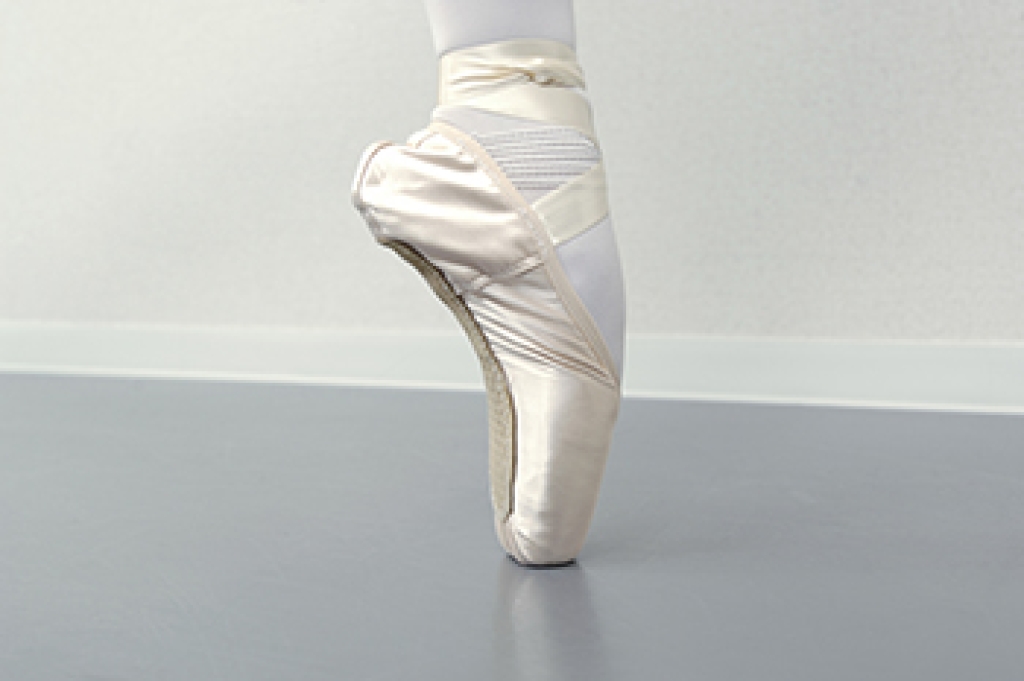
A bunion is a bony bump that forms at the base of the big toe when the joint shifts out of alignment. Bunions can lead to pain, swelling, and difficulty with footwear. Ballet can place significant stress on this area, especially during movements that require standing on the toes or working in tight, structured shoes. The pressure from pointe work and repetitive strain can worsen the deformity over time. Limited space in ballet shoes may also increase friction and discomfort around the joint. Dancers often continue training despite early symptoms, which can lead to increased irritation and progression of the condition. Proper footwear fitting, strength exercises, and early management can help reduce strain. If pain or changes in foot shape develop, it is suggested that you consult a podiatrist who can help manage symptoms, and support long-term foot health while continuing to dance.
If you are suffering from bunion pain, contact one of our podiatrists of Central Ohio Comprehensive Foot Care. Our doctors can provide the care you need to keep you pain-free and on your feet.
What Is a Bunion?
Bunions are painful bony bumps that usually develop on the inside of the foot at the joint of the big toe. As the deformity increases over time, it may become painful to walk and wear shoes. Women are more likely to exacerbate existing bunions since they often wear tight, narrow shoes that shift their toes together. Bunion pain can be relieved by wearing wider shoes with enough room for the toes.
Causes
Symptoms
In order to diagnose your bunion, your podiatrist may ask about your medical history, symptoms, and general health. Your doctor might also order an x-ray to take a closer look at your feet. Nonsurgical treatment options include orthotics, padding, icing, changes in footwear, and medication. If nonsurgical treatments don’t alleviate your bunion pain, surgery may be necessary.
If you have any questions, please feel free to contact one of our offices located in Delaware and Westerville, OH . We offer the newest diagnostic and treatment technologies for all your foot care needs.